
Start with the protein number, then read what comes with it
The difference between a 20g and a 30g ready-to-drink shake is not just ten grams of protein. It changes how the shake fits your calorie budget, how often you reach for one, and how long a pack lasts. Two current options make the trade-off concrete: Muscle Milk Zero Chocolate delivers 20g of protein with zero sugar and 100 calories per 11.16 fl oz serving, while Jocko Mölk Chocolate provides 30g of protein per 12 fl oz bottle with no added sugar. Both are ready to drink and sold in packs of 12, so the decision comes down to what you need from a single bottle.
What the labels confirm
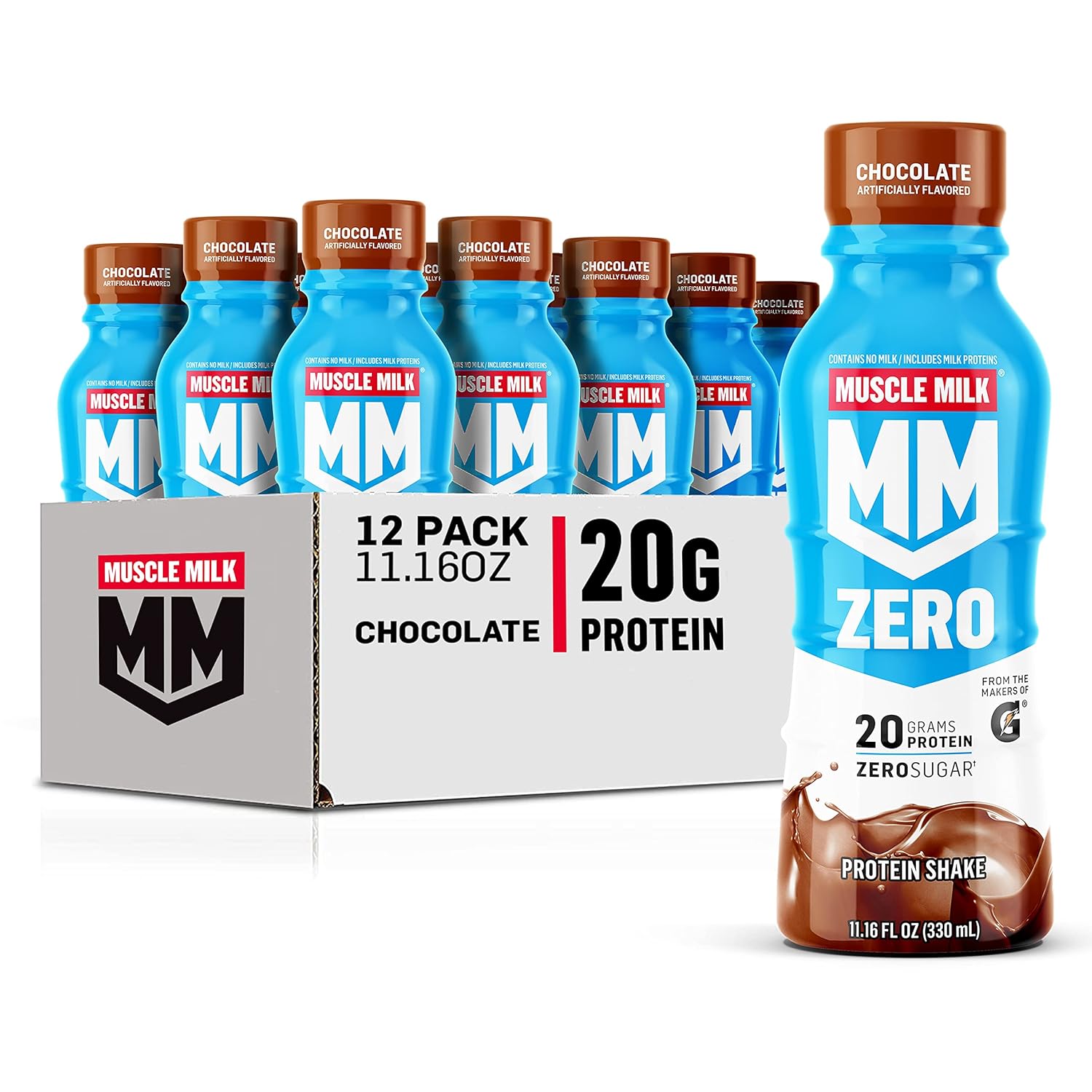
- Muscle Milk Zero Protein Shake, Chocolate,20g Protein, Zero Sugar, 100 Calories, Calcium, Vitamins A, C & D, 4g Fiber, Energizing Snack, Workout Recovery, Packaging May Vary,11.16 Fl Oz (Pack of 12): Muscle Milk Zero Chocolate: 20g protein, zero sugar, and 100 calories per 11.16 fl oz serving; also contains calcium, vitamins A, C, and D, and 4g fiber. A 20g shake with zero sugar and 100 calories fits days when you want protein without spending many calories, and the fiber and vitamins are listed extras you can compare.

Muscle Milk Zero Protein Shake, Chocolate,20g Protein, Zero Sugar, 100 Calories, Calcium, Vitamins A, C & D, 4g Fiber, Energizing Snack, Workout Recovery, Packaging May Vary,11.16 Fl Oz (Pack of 12) - Jocko Mölk 30g Grass Fed Protein Shakes – No Added Sugar Protein Drinks KETO Friendly - Ready to Drink 12 FL Oz (Pack of 12) Chocolate: Jocko Mölk Chocolate: 30g protein per 12 fl oz bottle from grass-fed sources, no added sugar, and sold in a pack of 12. A 30g shake gives a larger protein dose per bottle and keeps added sugar out, which matters if you want fewer, higher-protein servings.
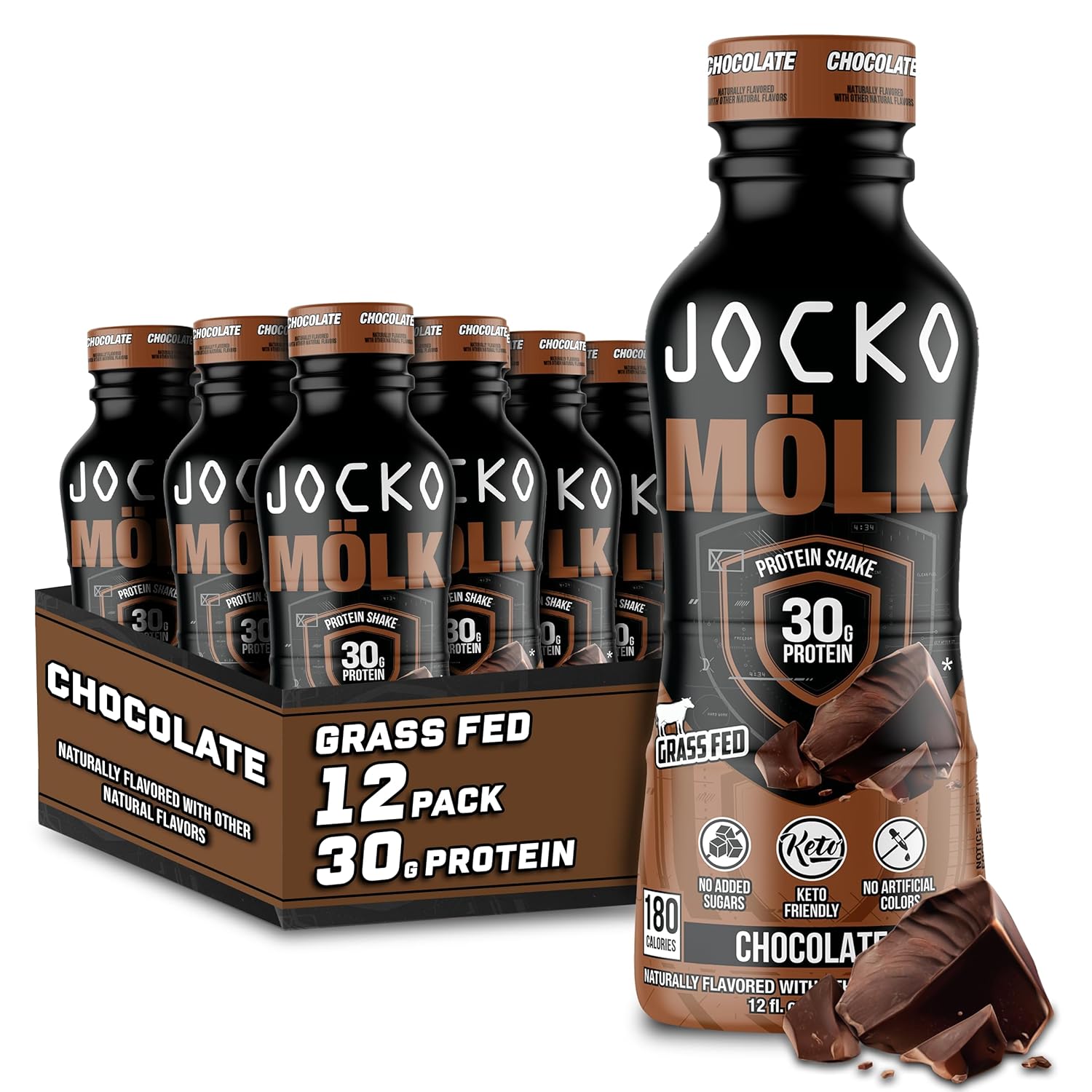
Jocko Mölk 30g Grass Fed Protein Shakes – No Added Sugar Protein Drinks KETO Friendly - Ready to Drink 12 FL Oz (Pack of 12) Chocolate
How 20g and 30g shakes differ in practice
Use the serving size and the protein number together. A 20g shake in an 11.16 fl oz bottle and a 30g shake in a 12 fl oz bottle are similar in volume, but the protein density is different. That affects how many bottles you go through in a week and whether the shake feels like a snack or a larger protein hit.
- Protein per bottle: Muscle Milk Zero gives 20g per 11.16 fl oz; Jocko Mölk gives 30g per 12 fl oz. If you are tracking a daily protein target, the 30g bottle covers more of it in one go.
- Calories and sugar: Muscle Milk Zero lists 100 calories and zero sugar per serving. Jocko Mölk lists no added sugar but does not list a calorie number in the supplied information, so you cannot compare calories directly from these records.
- Pack size and routine: Both come in packs of 12. A 20g shake may suit days when you want a lighter option or a snack; a 30g shake may suit days when you want a single bottle to carry more protein.
- Flavor and format: Both are chocolate and ready to drink. Jocko Mölk is described as keto-friendly; Muscle Milk Zero is described as an energizing snack and workout recovery option. These are positioning claims from the product records, not independent test results.
When the 20g shake makes more sense
Choose the 20g option when calories and sugar are the first thing you check. Muscle Milk Zero Chocolate states 100 calories and zero sugar per serving, plus 4g fiber and added calcium and vitamins A, C, and D. That profile fits a low-calorie protein shake role: a between-meals snack, a post-workout bottle when you already ate recently, or a way to add protein without a large calorie load. The 11.16 fl oz bottle is also slightly smaller than the 12 fl oz Jocko Mölk bottle, though the difference is small.
When the 30g shake makes more sense
Choose the 30g option when you want more protein from a single bottle and are less focused on calorie counting. Jocko Mölk Chocolate provides 30g of protein from grass-fed sources per 12 fl oz bottle with no added sugar. If you use a protein shake for post-workout recovery and prefer to drink one bottle rather than two, the higher protein number is the practical advantage. The trade-off is that the supplied record does not list calories, so you cannot confirm how it fits a low-calorie target from this information alone.
Check these before you commit to a 12-pack
- Your daily protein gap: Estimate how much protein you still need after meals. A 20g bottle closes a smaller gap; a 30g bottle closes a larger one. Neither record gives a daily protein recommendation, so use your own target.
- Calorie and sugar priorities: If zero sugar and a stated calorie count are must-haves, Muscle Milk Zero lists both. Jocko Mölk lists no added sugar but not calories in the supplied record, so ask yourself whether that missing number matters to you.
- How you will store and carry them: Both are ready-to-drink bottles in packs of 12. The supplied records do not include storage instructions, so check the bottle label for storage guidance before buying a full pack.
- Flavor variety: Both records list chocolate. If you want variety, the supplied information does not confirm other flavors for these two products.
- Allergens and dietary fit: The supplied records do not list allergen statements. If you avoid certain ingredients, read the full label on the bottle rather than relying on the product name or description.
A simple way to decide
If you want a low-calorie protein shake with zero sugar and a stated 100 calories per serving, start with Muscle Milk Zero Chocolate. If you want a larger 30g protein dose per bottle and no added sugar, start with Jocko Mölk Chocolate. Buy one 12-pack of the one that matches your priority, use it for a week, and see whether you reach for it as often as you expected. That real-world test tells you more than comparing numbers alone.


