
What Causes Bloating After a Protein Shake?
Bloating after a protein shake usually comes down to how your digestive system handles certain ingredients. The most common triggers include lactose (if you're sensitive), artificial sweeteners, or a high fiber content from added gums. Even the type of protein itself—whey concentrate vs. isolate—can make a difference because isolates have less lactose and fat, which some people find easier to digest.
If you experience bloating regularly, start by reading the nutrition label. Look for added sugars, sugar alcohols (like sorbitol or xylitol), and thickeners such as carrageenan or cellulose gum. These are known to cause gas or bloating in some individuals. Also, check whether the protein source is a concentrate or an isolate, since isolates are typically lower in lactose.
A Gentle Option: Dymatize ISO100 Whey Protein Isolate
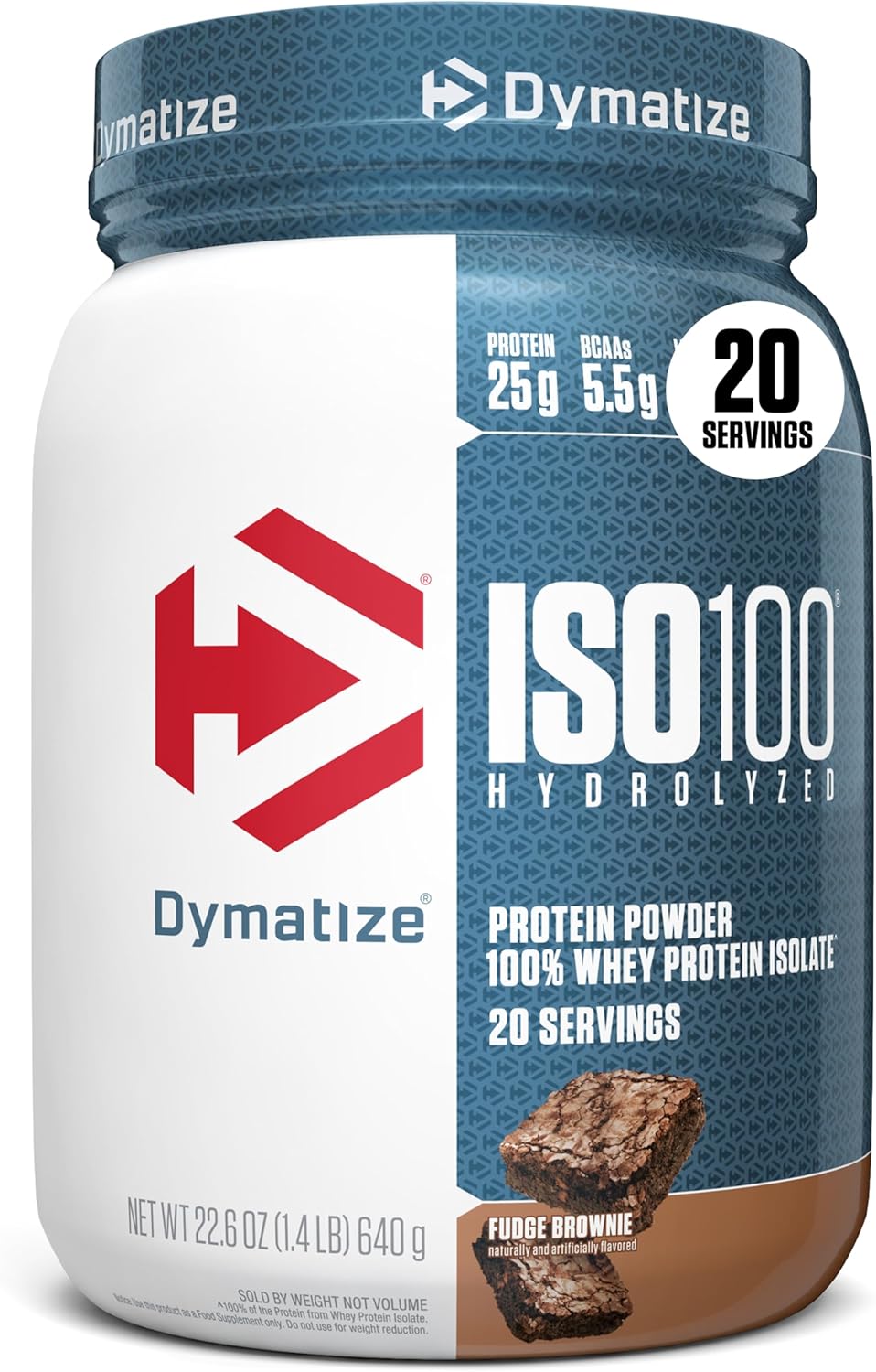
- Dymatize ISO100 Whey Protein Powder Isolate, Fudge Brownie, 25g of Protein, 5.5g BCAAs, Less Than 120 Cal., Gluten Free, 1g Fat, 1g Sugar, 2g Carb (20 Servings): Dymatize ISO100 Whey Protein Powder Isolate in Fudge Brownie delivers 25g of protein per serving with 5.5g of BCAAs, all in less than 120 calories. It is gluten free and contains 1g of fat, 1g of sugar, and 2g of carbohydrates. Because it's a whey protein isolate, this formula has minimal lactose and fat, which can reduce the chance of bloating for people who are sensitive to standard whey concentrate. The low sugar content also limits fermentation in the gut.

Dymatize ISO100 Whey Protein Powder Isolate, Fudge Brownie, 25g of Protein, 5.5g BCAAs, Less Than 120 Cal., Gluten Free, 1g Fat, 1g Sugar, 2g Carb (20 Servings)
How to Fix Bloating Without Changing Your Powder
Before switching products, try these adjustments: mix your shake with water instead of milk (dairy or plant-based milks can add extra sugars or fibers), shake or blend thoroughly to avoid clumps, and drink slowly rather than gulping. Some people find that taking a digestive enzyme supplement with lactase helps break down remaining lactose. You can also reduce your serving size temporarily to see if smaller amounts are better tolerated.
If bloating persists, consider switching to a whey protein isolate or a hydrolyzed whey, both of which are processed to remove more lactose and fat. The Dymatize ISO100 example above is a whey isolate that may be worth trying. Always check the label for any added ingredients that could be triggers.
Key Label Clues to Look For
- Protein source: Isolate or hydrolyzed whey generally has less lactose than concentrate. Plant proteins like pea or rice are naturally lactose-free.
- Added sugars and sweeteners: Sugar alcohols (erythritol, xylitol) and artificial sweeteners (sucralose, aspartame) can cause gas in some people.
- Thickeners and gums: Xanthan gum, guar gum, and carrageenan are common thickeners that may contribute to bloating.
- Lactose content: If you are lactose intolerant, look for a 'lactose free' label or choose a plant-based protein.
When to Consider a Different Protein Type
If you've tried adjustments and still feel bloated, your body may simply not tolerate whey well—even isolate. In that case, a lactose-free protein powder like a plant-based blend (pea, rice, hemp) or an egg white protein could be a better fit. These options are naturally free of lactose and often lower in FODMAPs, which can help if you have a sensitive stomach. Remember that no single protein works for everyone, so it's worth experimenting with small servings of a different type.

