
What Makes a Protein Powder Low-Sugar for Lean Muscle?
When you're aiming for lean muscle, every gram of sugar counts. A low-sugar protein powder helps you meet your protein goals without adding empty calories that can slow down fat loss or cause energy crashes. The key is to look at three things: total sugar per serving, the source of sweetness, and the protein-to-carb ratio.
Many protein powders on the market pack 5 to 20 grams of sugar per scoop, often from added sugars like cane sugar or syrups. A genuine low-sugar option typically has 2 grams or less of sugar per serving, with no added sugar. For lean muscle, you also want a protein source that's complete—meaning it contains all essential amino acids—and ideally some fiber to support digestion and fullness.
A Real Low-Sugar Option: Orgain Organic Vegan Protein Powder
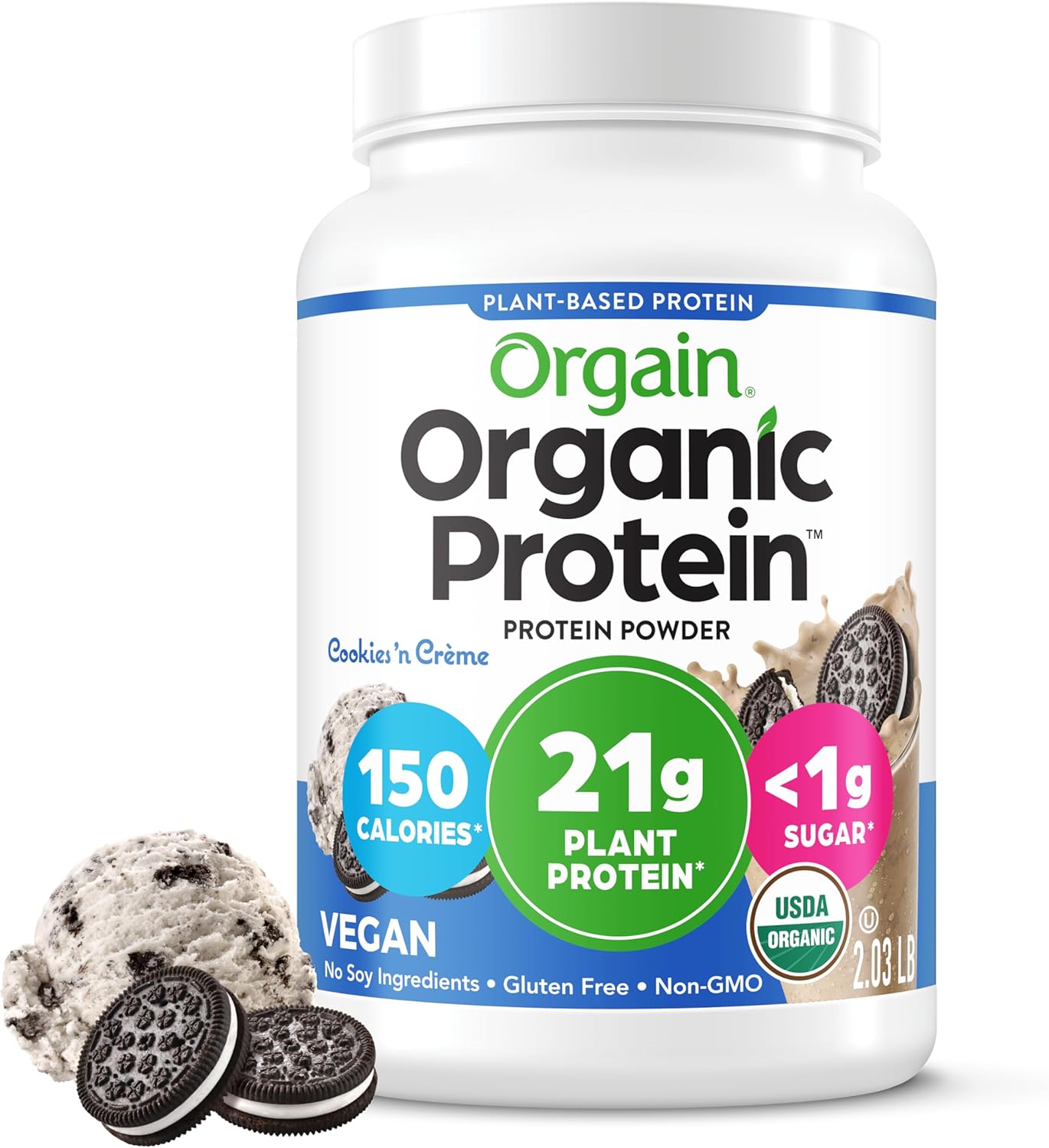
- Orgain Organic Vegan Protein Powder, Cookies & Cream - 21g Plant Based Protein, 7g Prebiotic Fiber, Low Net Carb, No Lactose Ingredients, No Added Sugar, Non-GMO, For Shakes & Smoothies, 2.03 lb: Orgain Organic Vegan Protein Powder in Cookies & Cream delivers 21g of plant-based protein and 7g of prebiotic fiber per serving, with no added sugar and no lactose ingredients. This product checks the low-sugar box (no added sugar) while providing a solid 21g of protein and 7g of prebiotic fiber, which supports digestive health—a helpful bonus when increasing protein intake. The low net carb formula also fits a lean muscle diet without unnecessary carbs.

Orgain Organic Vegan Protein Powder, Cookies & Cream - 21g Plant Based Protein, 7g Prebiotic Fiber, Low Net Carb, No Lactose Ingredients, No Added Sugar, Non-GMO, For Shakes & Smoothies, 2.03 lb
What to Look for on the Label
Start with the Nutrition Facts panel. Check 'Total Sugars' and 'Added Sugars.' For a low-sugar protein powder, aim for 2g or less total sugar and 0g added sugar. Then look at the protein source: whey, casein, soy, or pea/rice blends all provide complete proteins. If you're plant-based, a blend like pea and rice ensures you get all essential amino acids.
Fiber is another factor. A protein powder with prebiotic fiber (like the 7g in the Orgain option) can help with satiety and gut health, which is useful when you're eating in a slight calorie deficit to reveal lean muscle. Finally, check for 'no added sugar' or 'unsweetened' on the front label—but always verify on the back.
Low-Sugar Protein Powder vs. Standard Protein Powder
- Sugar content: Low-sugar powders have 0–2g sugar per serving, often from stevia or monk fruit. Standard powders can have 5–20g from added sugars like cane sugar or dextrose.
- Calorie density: Low-sugar options are typically 100–150 calories per serving, leaving room for other nutrient-dense foods. Standard powders may hit 200+ calories per scoop.
- Best use case: Low-sugar works well for lean muscle building, cutting phases, or anyone managing blood sugar. Standard powders may suit bulking or post-workout recovery when quick carbs are desired.
Honest Trade-Offs to Consider
Low-sugar protein powders often use alternative sweeteners like stevia, monk fruit, or erythritol. Some people notice a slight aftertaste or find the texture different from sugar-sweetened powders. If you're sensitive to sugar alcohols, check the ingredient list carefully.
Plant-based low-sugar options (like pea and rice blends) can be slightly grittier than whey. The Orgain Organic Vegan Protein Powder uses a plant-based blend, so if you're used to whey, expect a different mouthfeel. On the plus side, it's lactose-free and non-GMO, which matters if you have dietary restrictions.
Finally, low-sugar doesn't always mean low-carb. Some powders add fiber or other carbs to improve texture. The Orgain powder has 7g of prebiotic fiber, which is a net carb benefit for most people, but if you're on a strict keto diet, you'll want to calculate net carbs yourself.
How to Use Your Low-Sugar Protein Powder for Lean Muscle
For lean muscle, timing matters less than total daily protein intake. Aim for 1.6–2.2g of protein per kg of body weight, spread across meals. A low-sugar protein shake works well as a post-workout recovery drink, a mid-morning snack, or even mixed into oatmeal or yogurt.
To keep it low-sugar, mix your powder with unsweetened almond milk, water, or plain dairy milk. Avoid adding fruit juices or sweetened yogurt. If you want flavor, try cinnamon, unsweetened cocoa powder, or a handful of berries—they add minimal sugar and extra nutrients.

